

Cards and lists
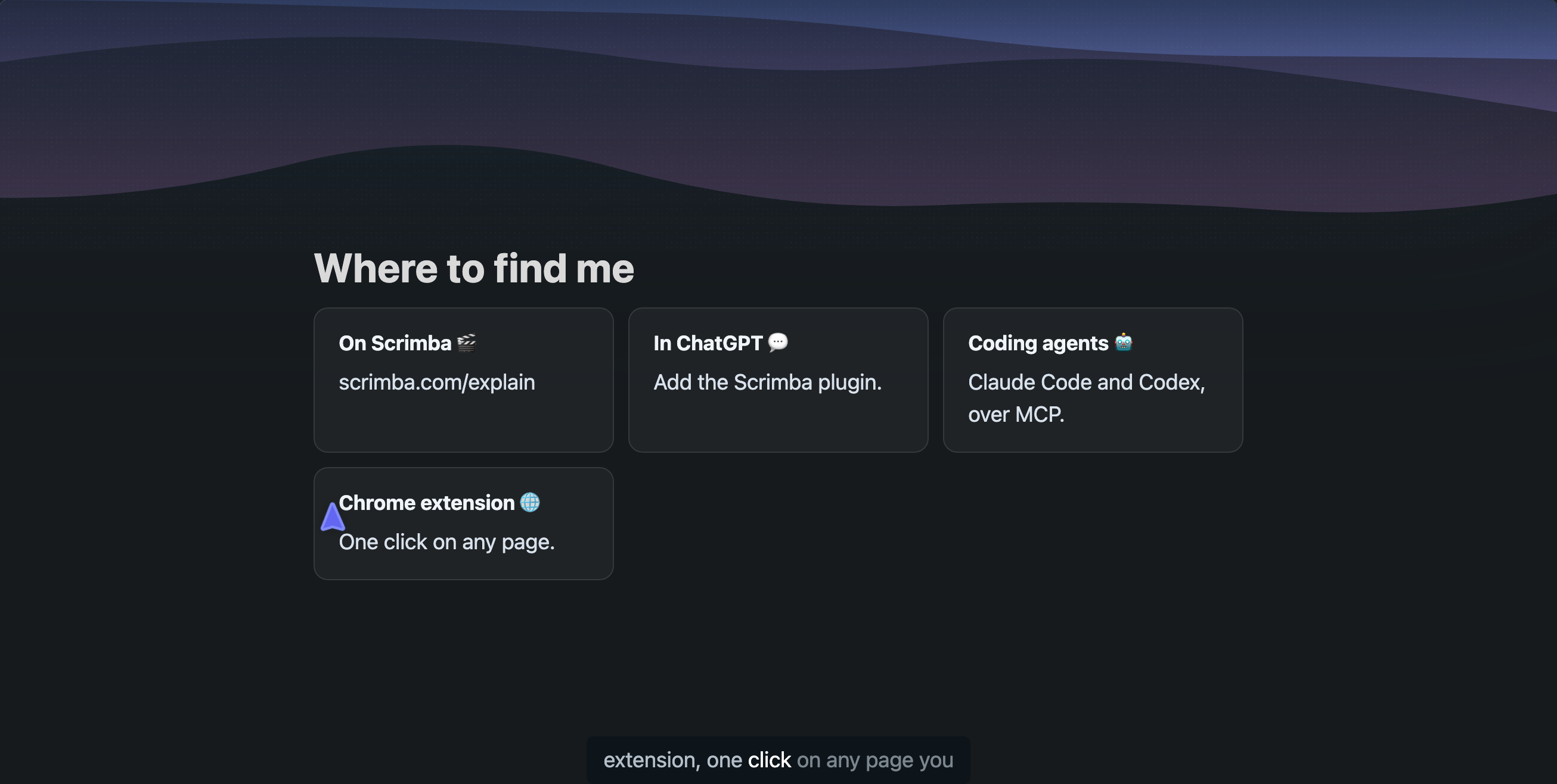
When content has a natural structure, the slide uses it:
- Cards for parallel concepts, choices, and tradeoffs: memory versus local storage versus database, or the three kinds of test doubles, each on its own card
- Ordered lists for steps that happen in sequence
- Bullet lists for a set of discrete points
The narration points at each entry as it's discussed, the same way the pointer moves through code, so a comparison is walked card by card instead of read as one big paragraph.
A comparison question (X vs Y, when do I use which?) reliably produces card slides.